Accompanied by the artist Christopher Wood, Nicholson visited St Ives, Cornwall for the first time in August 1928, where they discovered the painter Alfred Wallis who would become an important influence on them both. In 1931 he met the sculptor Barbara Hepworth, and within a year began sharing a studio with her in Hampstead. Together they held a joint exhibition at Tooth’s Gallery, London in 1932.
Nicholson would go on to marry Hepworth after his divorce from Winifred Nicholson was finalised in 1938. In 1939 Nicholson and Hepworth relocated with the triplets (born in 1934) to Cornwall where he resumed painting landscapes and coloured abstract reliefs. His international reputation grew during the 1950s as a result of a series of large still lifes for which he received several important prizes. In 1954 he represented Britain at the Venice Biennale (alongside Lucian Freud and Francis Bacon) and was awarded the Ullisse prize. The following year the Tate Gallery held the first of two retrospectives of his work, the second being shown in 1969.
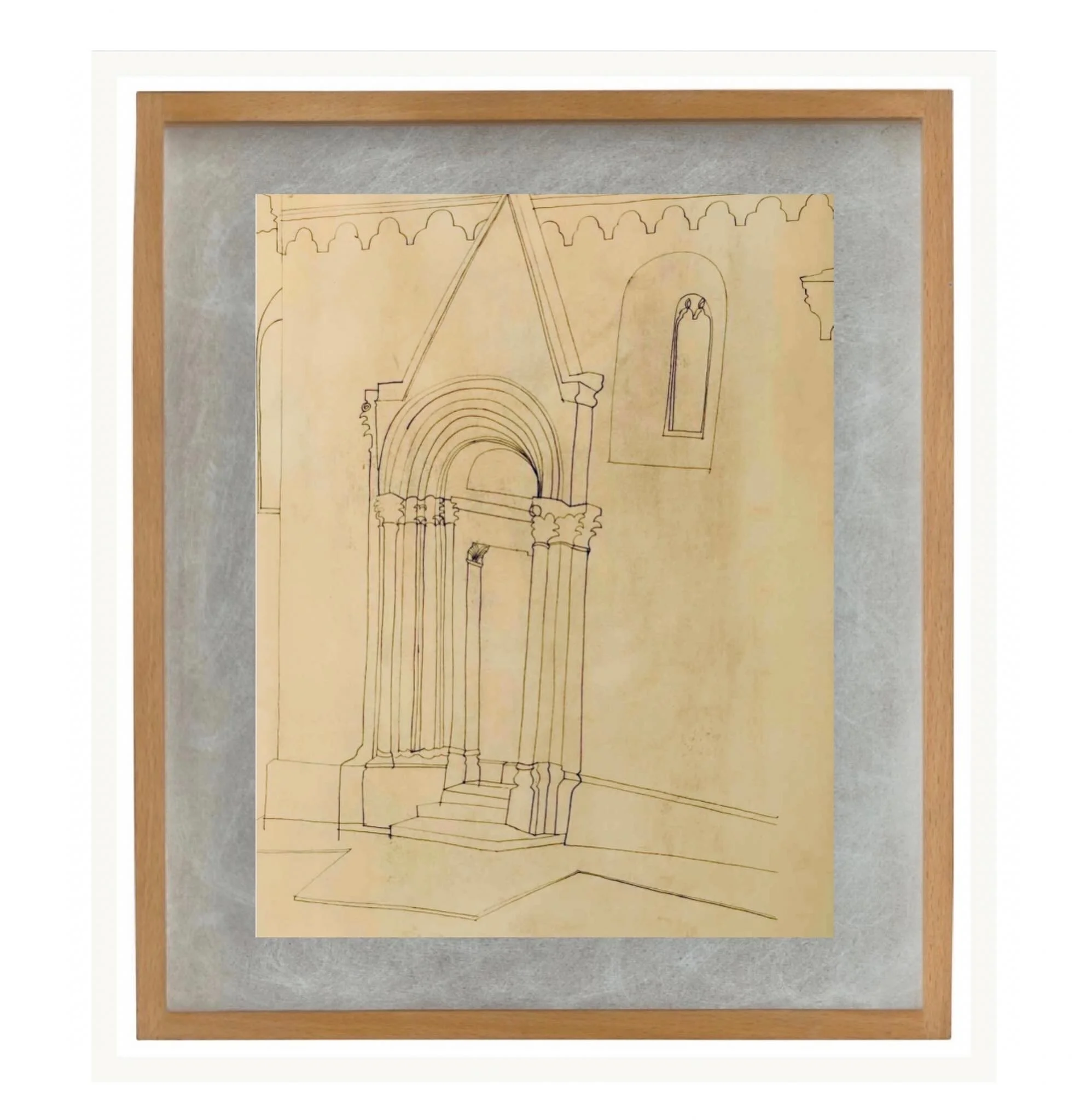
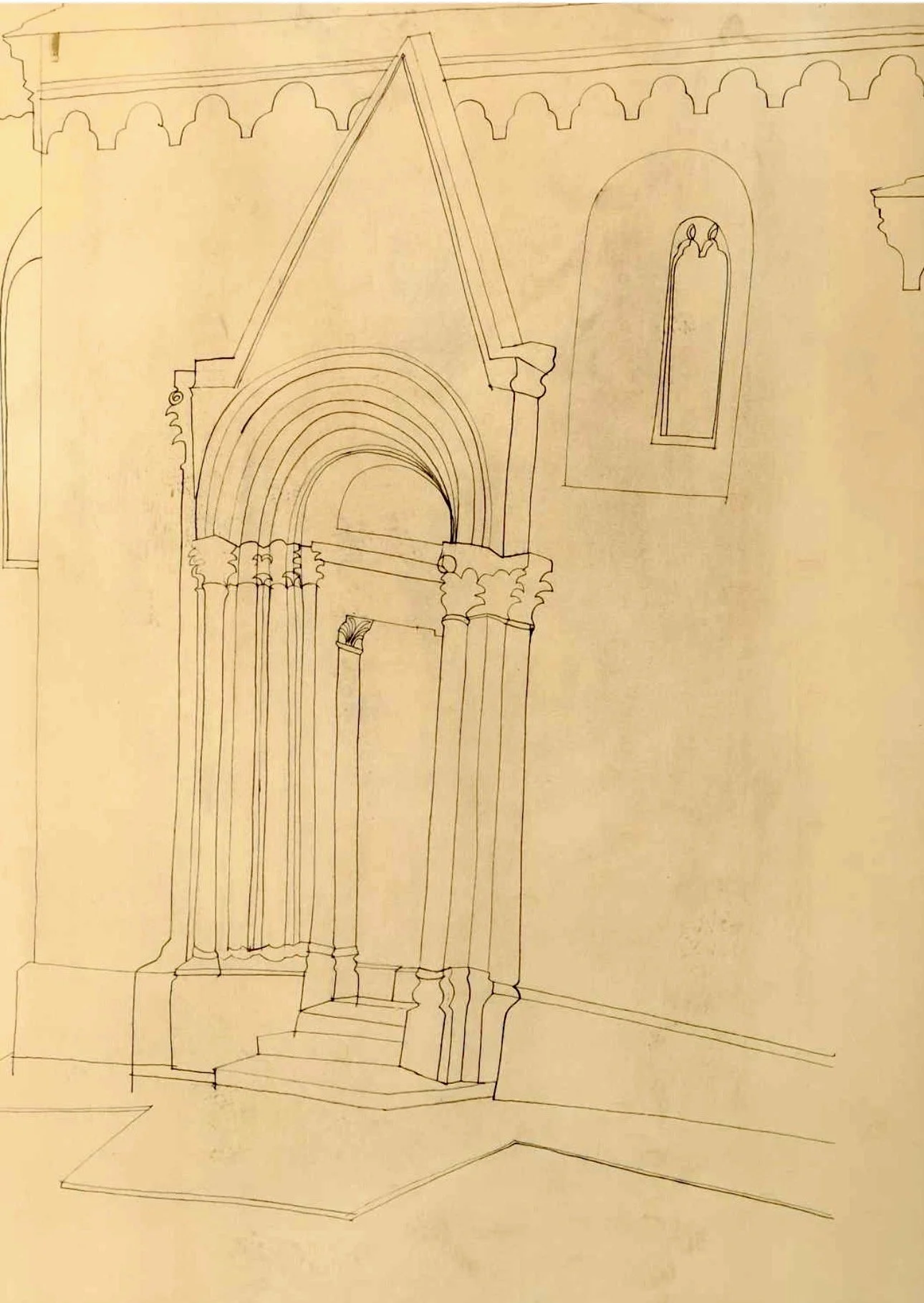
His time in Tuscany around 1957-1960 is widely regarded as one of the most serene and visually refined periods of his career. These works often depicts doors, church facades, towers and arches in Tuscany and Umbria.
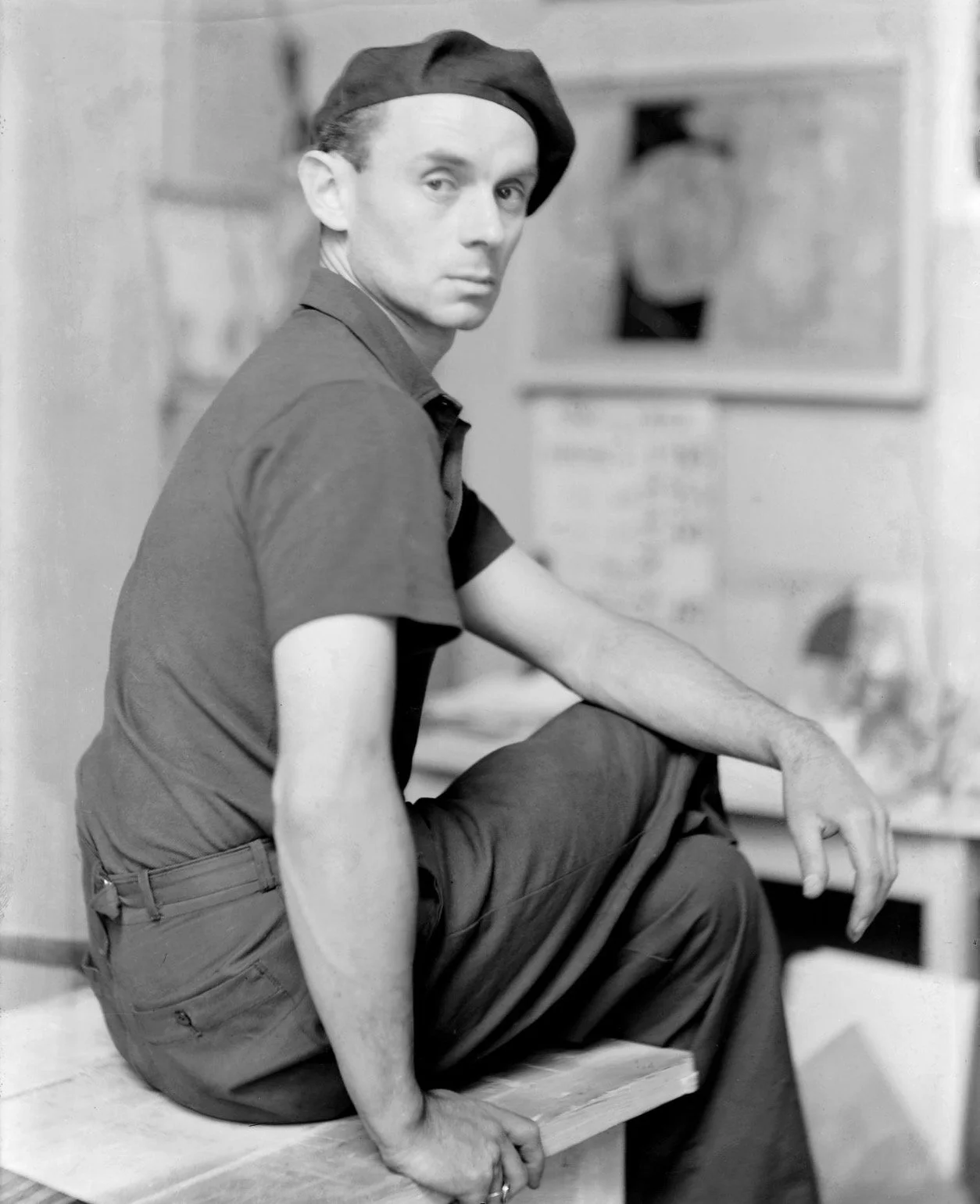
Ben Nicholson (1894–1982)
Collotype, published by Pallas Gallery, 1960.
Accompanied by the artist Christopher Wood, Nicholson visited St Ives, Cornwall for the first time in August 1928, where they discovered the painter Alfred Wallis who would become an important influence on them both. In 1931 he met the sculptor Barbara Hepworth, and within a year began sharing a studio with her in Hampstead. Together they held a joint exhibition at Tooth’s Gallery, London in 1932.
Nicholson would go on to marry Hepworth after his divorce from Winifred Nicholson was finalised in 1938. In 1939 Nicholson and Hepworth relocated with the triplets (born in 1934) to Cornwall where he resumed painting landscapes and coloured abstract reliefs. His international reputation grew during the 1950s as a result of a series of large still lifes for which he received several important prizes. In 1954 he represented Britain at the Venice Biennale (alongside Lucian Freud and Francis Bacon) and was awarded the Ullisse prize. The following year the Tate Gallery held the first of two retrospectives of his work, the second being shown in 1969.
His time in Tuscany around 1957-1960 is widely regarded as one of the most serene and visually refined periods of his career. These works often depicts doors, church facades, towers and arches in Tuscany and Umbria.